PRP for Dental Implants, Bone Grafts & Oral Surgery: Benefits Explained
 If you’ve been told you need a dental implant, bone graft, tooth extraction, or oral surgery procedure, you may have come across the term PRP. This guide explains what PRP is, how it works, which procedures benefit most from it, and how we use it in treatment planning at Smileboston Cosmetic & Implant Dentistry to support faster healing and better outcomes.
What Is PRP?
PRP — platelet-rich plasma — is prepared from a small sample of your own blood. When processed, it produces a concentrated number of platelets and the growth factors they carry.
Platelets are the cells your body naturally sends to injured tissue to begin the repair process. When we concentrate them and apply them directly to a surgical site, we are delivering a targeted signal to your body to repair, regenerate, and recover.
PRP has been used in medicine and dentistry for decades. It is not experimental. Because it comes from your own blood, your body recognizes it naturally and there is no risk of rejection or allergic reaction.
How PRP Supports Healing
After oral surgery, your body begins healing immediately. Tissue starts to form, bone begins to regenerate where needed, and the immune system works to protect the area.
PRP supports each stage of that process. The concentrated growth factors signal the body to increase tissue repair activity, accelerate new bone formation, and reduce the inflammatory response that causes swelling and discomfort.
In procedures involving bone grafting or implant placement, this support matters most. Bone regeneration is slower than soft tissue repair and giving it the right biological environment from the start can make a meaningful difference in outcomes over time.
Where PRP Works Best in Dental Surgery
Clinical research supports PRP’s role in soft tissue healing, post-operative comfort, and bone regeneration. Here is where I find it most useful in practice:
Dental implants — PRP applied at the dental implant site may support osseointegration, the process by which the implant bonds with surrounding bone and promote healthy tissue response during early healing.
Bone grafting — PRP incorporated into a graft can support more predictable bone development at the graft site, particularly where bone volume needs to be rebuilt before implant placement.
Tooth extractions — PRP placed in the socket following removal may protect the site during early healing and reduce the risk of dry socket, a painful complication that occurs when the protective clot is lost or fails to form properly.
Sinus lift procedures — PRP can encourage bone growth and support tissue repair in the upper jaw where additional bone volume is needed for implant placement.
Soft tissue procedures — In gum-related treatments, PRP can promote faster regeneration and reduce post-operative discomfort.
Whether PRP is appropriate for your procedure is determined as part of your individual treatment plan. I recommend it when it is genuinely the right fit — not as a default addition to every case.
Is PRP Safe for Dental Procedures?
For most patients, yes. The safety profile is strong, and the track record in both medicine and dentistry is well established. Because it is prepared from your own blood, the risks associated with foreign materials simply do not apply.
That said, PRP is not right for every patient or every procedure. I evaluate candidacy individually based on your health history, the nature of your procedure, and your overall treatment goals.
How We Prepare PRP at Smileboston
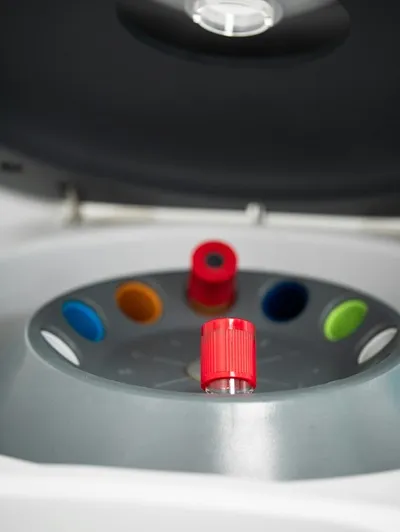
We prepare PRP in-house using the Med Equip 5G system, allowing consistent, precise platelet concentration without sending samples to an outside lab. This means faster application and better results. The entire process happens on-site as part of your appointment, with no separate visit required. PRP is processed and applied at the optimal moment during your procedure for maximum effectiveness.
I founded Smileboston Cosmetic & Implant Dentistry in 1997 with a commitment to incorporating advanced technology in ways that genuinely benefit patients. PRP reflects that approach: a proven, biology-based tool used thoughtfully as part of a comprehensive care plan.
Want to Learn More about PRP Therapy?
If you are preparing for a dental implant, bone graft, extraction, or oral surgery and want to understand whether PRP may be part of your care, our full PRP service page covers the details — including the specific applications we use and how the process works from start to finish. Learn more about PRP at Smileboston or reach out directly to schedule a consultation. We will review your needs, answer your questions, and help you understand all your options.
Comments are closed.